
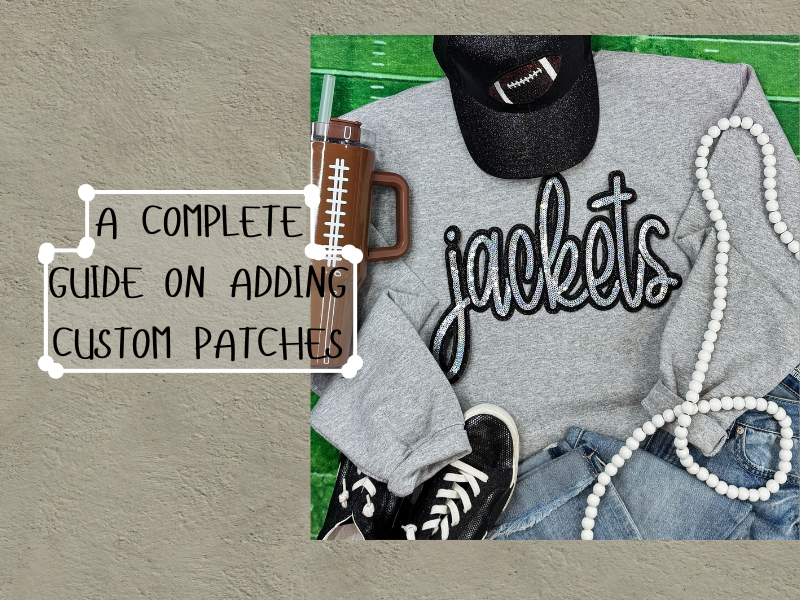
A Beginner’s Guide to Adding Patches to Jackets, Bags & Hats
Everyone likes to dress classy and carry accessories that are considered high fashion, and simply elevate their style. If that’s what you want to do, adding patches is your best option. With even one application, you can notice the difference it makes. It adds character to your old jacket, bags, or even hats.
But giving that revamp to your garment and accessories required solid DIY skills. If you’ve got none and have no idea where to begin, just follow this guide because it covers almost all aspects of adding patches to your garments.
Types of Patches You Can Use
Firstly, you should have basic knowledge of the types of patches, as they affect how your garment will turn out. It even decides the durability of your design.
To make your garment extraordinary, here’s a quick breakdown of the most common patch styles and their usage.
1. Embroidered Patches
These emblems are the classic choice, as they enhance your design with their unique weaves and threads. It has a textured, stitched look that looks incredible on denim, canvas, and cotton. If you want to add a logo or symbol, take online embroidered patches services because it’s an ideal option.
2. PVC Patches
If you’re into unique-looking, rubber-like finishes, PVC patches work wonders. The reason is its high durability and waterproof nature. Since they last long, they are perfect for outdoor gear, backpacks, and hats. Even if it’s exposed to harsh weather conditions, it doesn’t budge.
3. Woven Patches
Like small but detailed designs? Go for woven patches without having a second thought. It has a smooth surface and a clean appearance. That’s what makes it perfect for intricate designs.
4. Chenille Patches
They are known for their soft and fluffy texture. You must have seen it on Letterman and varsity jackets. If you’re into a modern, bold, and textured look, this is a great option to have.
Patch Type Comparison Table
| Patch Type | Washable | Durability | Ease of Use |
| Embroidered | Yes | Medium | Easy |
| PVC | Yes | High | Medium |
| Woven | Yes | Medium | Medium |
| Chenille | Yes | Medium | Medium |
Everything You Need to Get Started
Before getting started with the patch application, it’s always a great idea to gather all the tools and supporting materials. When you’re prepared, the process is much smoother, and the risk of errors goes to zero.
Here is a quick list of the things you should have:
- Needle and thread
- Iron and pressing cloth
- Fabric glue (optional)
- Scissors
- Pins or fabric clips
- A clean jacket, hat, or bag
- Your chosen patches
Preparing Your Item for Patching
If you want your crests to look neat and clean, you must prepare your item before starting. It will save you from future hassle and help your design last longer than expected.
- Make sure the garment or accessory that needs to be revamped is clean and dry. Any dirt or oil on the surface can affect the adhesive.
- Lay it flat on a table and place the patches to check where it looks the best.
- You can take a few pictures to analyze how it looks. This will also help you find the appropriate placement for the crest.
Even if you follow this little prep session, your final look will be neat and refined.
How to Apply Patches to Jackets, Bags & Hats
The process may seem complicated, but it’s much easier if you follow the given guide. Whether you choose custom military velcro patches or sew-on patches, these tips will work. We are sharing methods of patch application depending on the different types of crests.
A. Iron-On Patches
- Place the item on a flat surface that is also heat-resistant.
- Position the crest where you want it to be.
- Cover the patch with a pressing cloth or a thin towel to protect the design.
- Set your iron to an appropriate temperature according to the fabric.
- Press the hot iron firmly over the patch for around 15 to 20 seconds.
- Let the patch cool down completely before trying it out.
Quick tip: For items that will be washed more often, secure the edges with a few stitches.
B. Sew-On Patches
- First, pin the patch where you want to place it.
- Take a thread and needle and tie a knot to get started.
- Stitch the edges with small but even strokes.
- Once you’re done, make a double knot at the end to secure the thread.
Go for the sewing method if you want the strongest application.
C. Adhesive or Velcro-Backed Patches
- These are quick and great for items you want to update often.
- Peel the backing and place the patch on the fabric. For Velcro, prepare the area for application.
- Place the patch and press firmly. And it’s done!
Quick tip: Avoid any washing activity for at least 24 hours.
Placement Ideas for Jackets, Bags & Hats
When it comes to placement, there’s no hard-and-fast rule. But going to the most common places is a sensible decision because it involves the least risk. Here are some common placement options for each garment and accessory:
- Jackets: Chest area, sleeves, collar, or the large back panel
- Bags: Front pocket, straps, corners, or the center panel
- Hats: Front crown, side panel, or right above the brim
If you want to go out of the box, try out other placements, but ensure you do a patch test first.
Beginner Mistakes to Watch Out For
Even a simple patch project can turn into chaos when you don’t follow proper instructions. But here we are sharing some common mistakes beginners make. Avoid them, and we’re sure your crest will come out the best.
- Never use high heat levels when ironing the patch. This can burn or damage the crest.
- Skipping the pressing cloth during the application can mess it all up.
- Placing the patches too close to the seam or to each other can create clutter.
- Not securing the corners of the crest can increase the risk of poor results.
- Applying the emblems on a dirty or damp surface can ruin the look.
If you steer clear of these mistakes, the likelihood of messing up is pretty slim.
Final Thoughts
It all boils down to the fact that patches can instantly elevate an ordinary look. Whether you have an old jacket, bag, or hat, you can transform it into a statement piece by simply adding a few crests. All you need to have are a few tools, and you must also follow a proper prepping regimen. Follow the given tips to keep yourself away from hassle. In the end, you will have incredible garments and accessories that everyone falls in love with.

At CustomPatches.ae , I focus on exploring the art and strategy behind custom patch creation. My goal is to break down the design and production process into clear, and detailed instructions that help brands, teams, and entrepreneurs create patches that truly represent their identity. I provide tips from fabric choices and border styles to modern patch applications and branding techniques, I cover every detail that influences quality and visual impact. Through trend analysis, expert advice, and practical design guidance. I aim to inspire and inform anyone looking to create distinctive custom patches that leave a memorable mark.